
Where and when to use mulch, and how each type affects your lawn
Mulch helps soil hold moisture, keeps weeds down, protects against erosion and moderates soil temperature, and many types feed the soil as they break down. Here's a quick guide to the common options.
Pebbles, gravel & stone
Great for walkways and borders. Stone drains well and controls weeds, and some types hold heat. Keep it contained: stones that wander into the yard can be thrown by your mower and will damage blades.
Grass clippings, leaves & pine needles
Free and already in your yard. Chopped finely, clippings and leaves return nitrogen to the soil instead of matting on top of it, while pine needles add acidity. A mulching blade makes a big difference here.
Newspaper, landscape fabric & cardboard
Best as a weed barrier under a decorative layer. Newspaper lets water through and breaks down over time; fabric blocks weeds but can also block water; cardboard smothers grass, which makes it handy for starting a new bed.
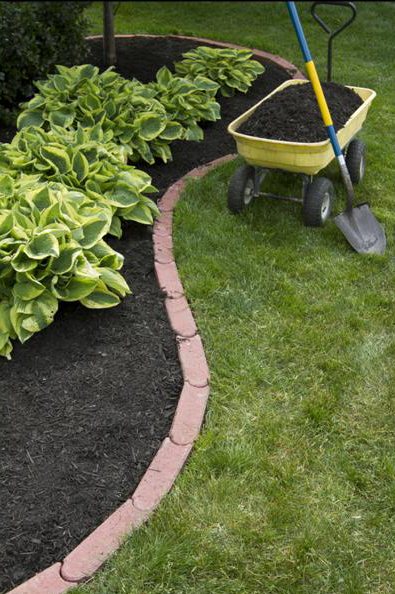
Wood chips & bark
The classic choice for beds. Chips keep soil warm and moist, last longer than finer mulches, and come in a range of materials and colors.