Services
From a first puppy shot to a CT scan, most of what your pet needs can happen under one roof.
Everyday and surgical care
- Wellness exams
- Nose-to-tail checkups, recommended every six months.
- Vaccines
- Puppy and kitten packages with parasite screening, deworming and a microchip.
- Internal medicine and cardiology
- Workups for long-term and complex conditions.
- General and orthopedic surgery
- Soft-tissue and bone procedures.
- Low-cost spay and neuter
- Call for the current special.
- Dentistry and root canals
- Ultrasonic cleaning, dental X-rays, fillings and root canals under general anesthesia.
- Digital X-rays
- Imaging for organs, bones and joints.
- Microchip implantation
- Permanent ID, and required for international travel.
- Tracheal stent placement
- Support for a collapsing airway.
- Stem cell regenerative therapy
- Ask whether your pet is a candidate.
- Pain management
- Comfort plans for recovery and aging pets.
- Avian and exotic medicine
- Birds, reptiles and small mammals, plus avian grooming.
- Hospice and end-of-life care
- Counseling and gentle care when it’s time.
Advanced diagnostics
What each test does and why we might suggest it.
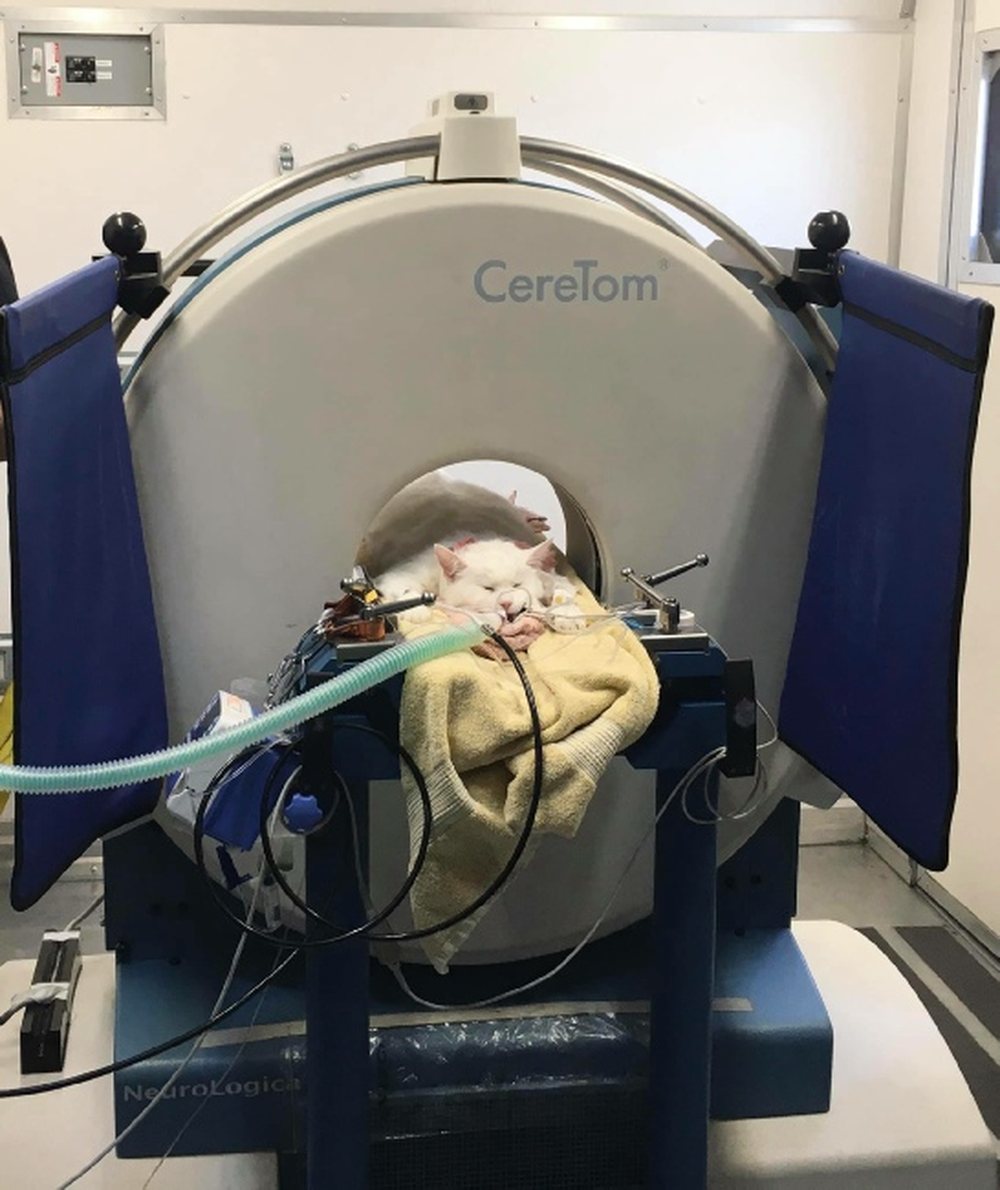
CT scan with radiologist
Useful for problems in the head, spine, joints, soft tissue and bone. Common reasons include nasal and sinus disease, middle and inner ear disorders, finding and mapping tumors before surgery, skull and musculoskeletal trauma, spinal disease, checking the chest for spread, and degenerative joint problems.
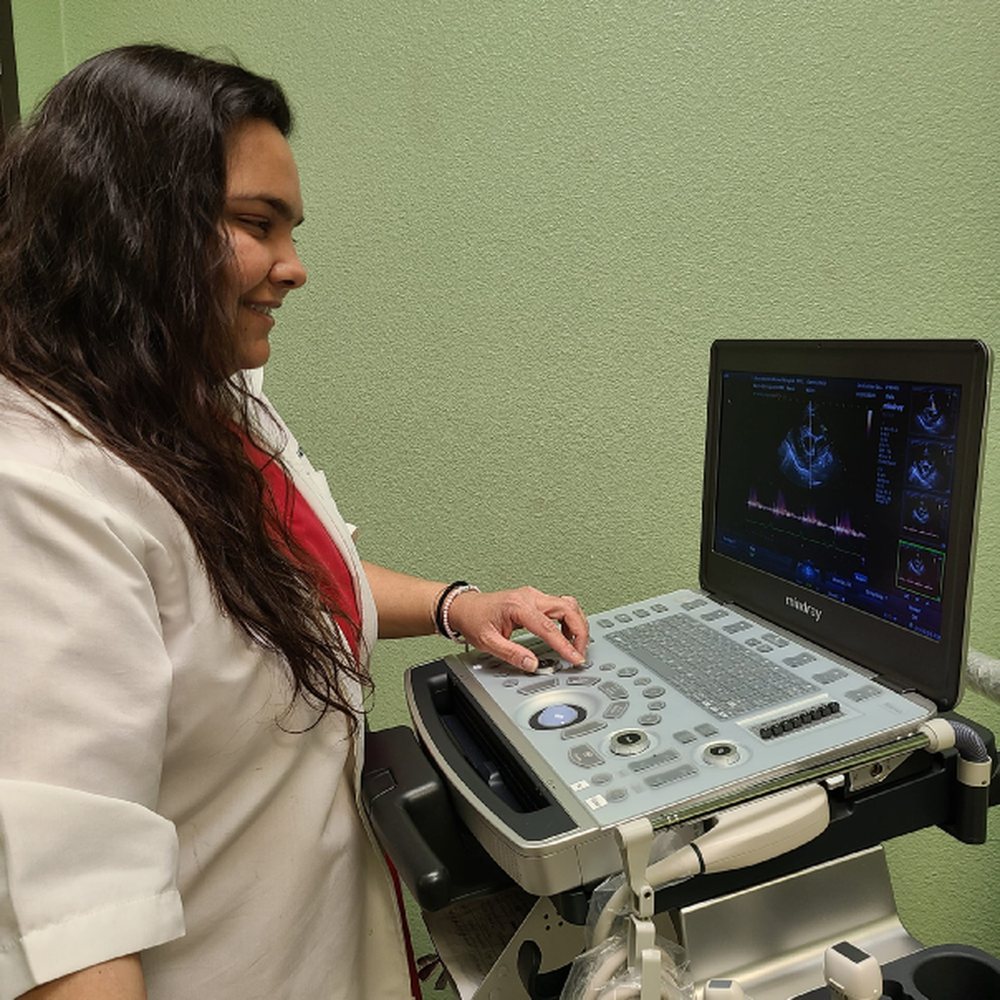
Ultrasound and echocardiogram
Abdominal ultrasound looks at the kidneys, liver, gallbladder, pancreas, spleen and abdominal blood vessels. It helps with abdominal pain, pancreatitis, enlarged organs, kidney or bladder stones, portosystemic shunts, needle biopsies and pregnancy checks. An echocardiogram shows the heart’s walls, chambers and valves, and can reveal fluid around the heart, tumors, valve problems and septal defects.
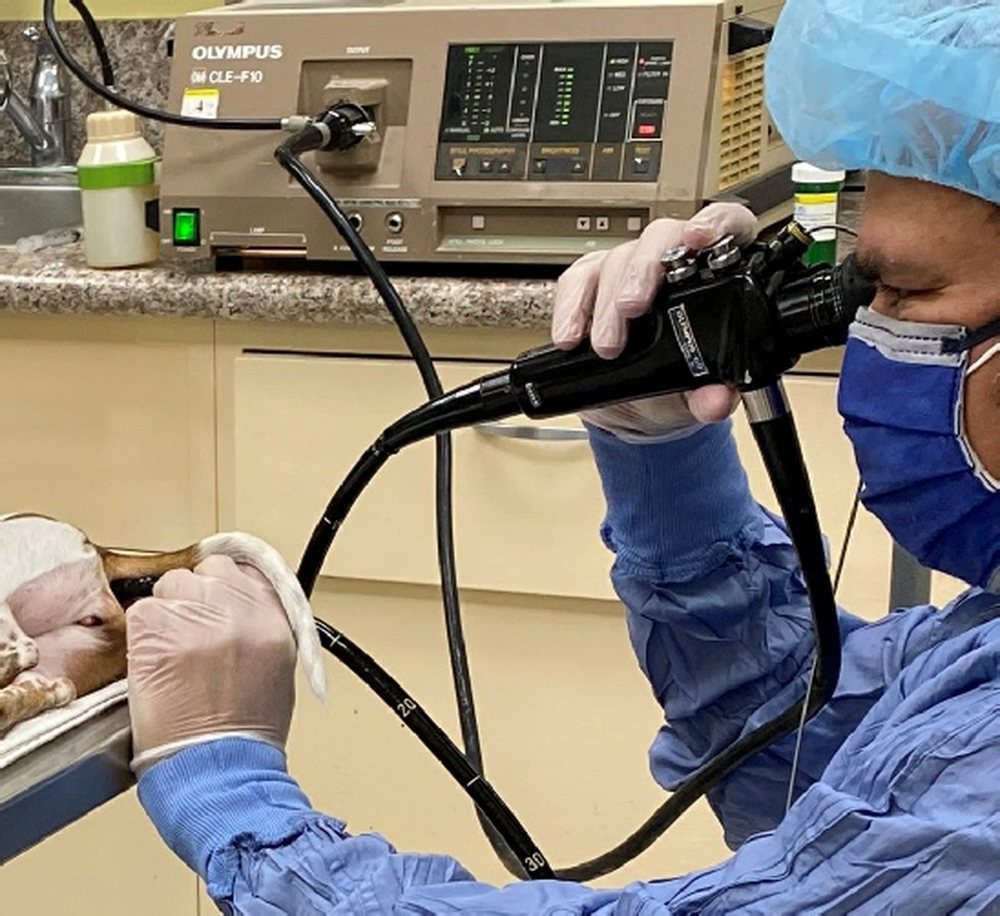
Gastroscopy and colonoscopy
A non-invasive way to take biopsy samples and remove polyps and small tumors. We use it for ongoing vomiting or diarrhea, regurgitation, swallowed foreign objects, strictures, ulcers, blood in vomit or stool, inflammatory bowel disease and feeding tube placement.
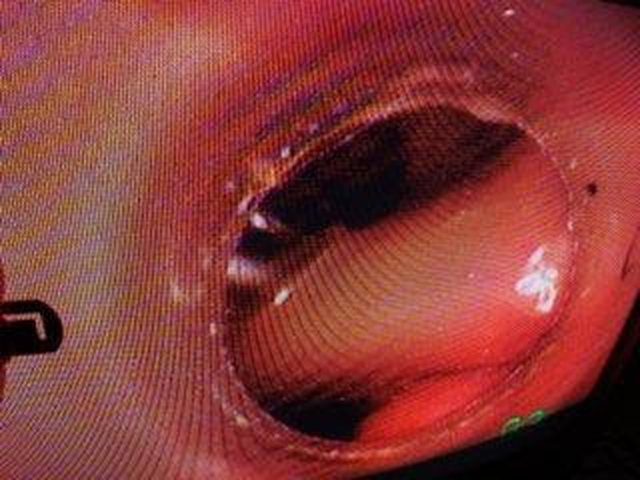
Rhinoscopy
A small camera, used under general anesthesia, lets us look inside the nasal passages for chronic discharge, sneezing, bleeding or blockages. We can identify tumors, infections or foreign objects and take biopsies at the same time.
Dental restoration
Your pet’s teeth and gums should be checked at least once a year. When a tooth breaks, we can often save it. Fillings use tooth-colored composite resin, and a root canal treats a tooth whose inner pulp is injured, inflamed or infected.
Tracheal stents
A stent is a small tube used to treat a collapsing airway, or to stabilize a repair of the larynx or trachea so it doesn’t collapse.
Not sure if your pet needs to be seen?
Call and tell us what you’re noticing. We’ll help you decide what to do next.