
A bakery built one loaf at a time
Grateful Bread is a family-owned bakery run by chef Jeff Cleary and his wife, Kathy Mullen — and a team of bakers who shape every piece by hand.
From a snowed-in restaurant to Colorado’s best bakery
In late 2002, Jeff and Kathy put their life savings into Intrigue, a restaurant where everything was made from scratch. A small bakery in back made the bread — and soon, bread for Jeff’s chef friends too.
Then came spring 2003: four-plus feet of snow shut Denver down for over a week, the stock market plunged, and the economy stalled. They couldn’t weather it, and in 2005 sold the restaurant. That’s when Grateful Bread was born.
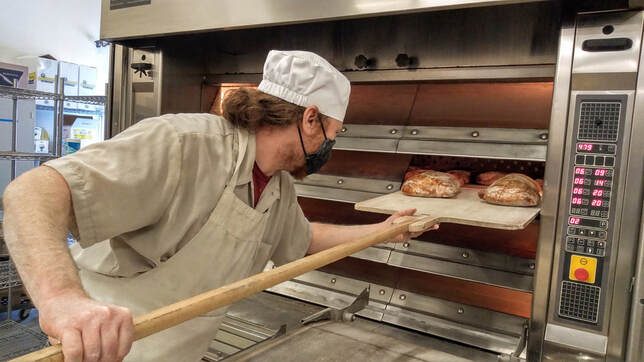
With one wooden table, one 20-quart mixer and one battered six-tray oven, Jeff moved into a 400 sq ft cabin in Evergreen — mixing, shaping, baking, delivering and billing himself, often 110 hours a week. He took four days off in all of 2006. Kathy worked two and three jobs to keep things afloat. It was years before the bakery turned a profit, and 2013 brought their first vacation in twelve years.
Along the way
Grateful Bread grew slowly, never compromising on handcrafting each piece with the best ingredients.
- 1988
Jeff graduates from Johnson & Wales College of Culinary Arts after starting his first bakery at sixteen in a 1913 train station in Minersville, Pennsylvania.
- 1997
Opens Café Bohemia in Denver, named to Zagat’s America’s Top Restaurants, alongside the French bakery Trompeau.
- 2002
Jeff and Kathy open Intrigue, baking bread for Denver’s top chefs from its in-house bakery.
- 2005
Grateful Bread begins in a 400 sq ft cabin in Evergreen.
- 2008
Outgrows the cabin and moves to 2,000 sq ft in Golden — later expanding twice to nearly 8,000 sq ft.
- 2010
Jeff is nominated Baker of the Year by Denver Magazine.
- 2014
5280 names Grateful Bread Editor’s Choice, Top Bakery: Bread.
- 2021
Named Denver Business Journal Small Business of the Year as Saturday retail becomes the heart of the bakery.
- Today
Breads reach restaurants in three states through an exclusive partnership with Shamrock Foods.
The people behind the bread
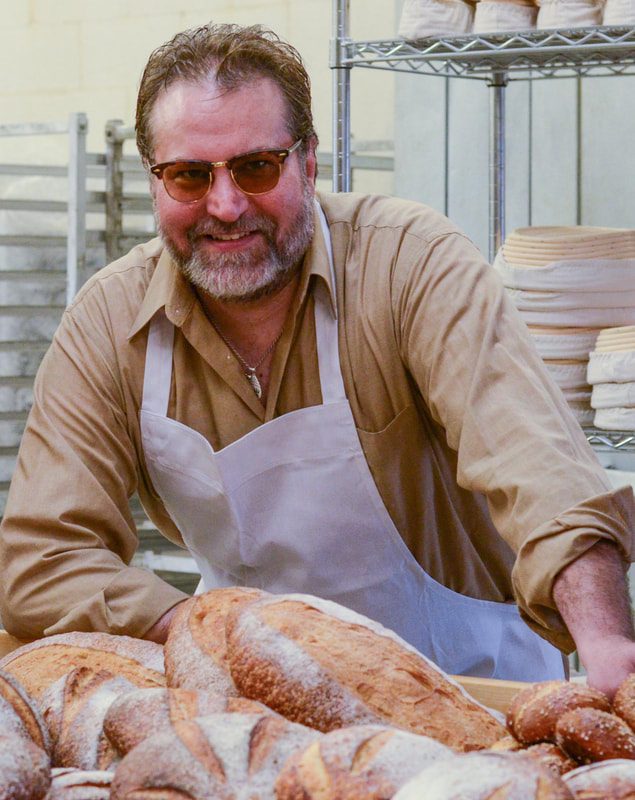
Jeff Cleary
Founder & head bakerJeff has had his hands in food since he was thirteen. Trained at Johnson & Wales and the Hyatt’s Atlanta flagship, he opened Baci Ristorante (where he cooked for Julia Child), led Café Bohemia and Intrigue to acclaim, and now designs and handcrafts every Grateful Bread formula.
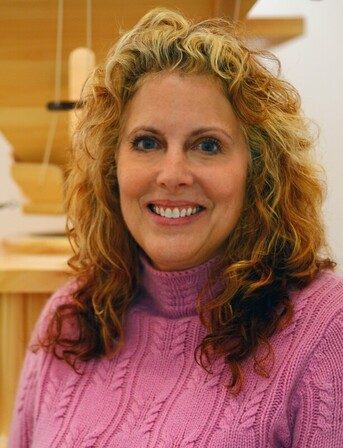
Kathy Mullen
Co-owner & client ambassadorKathy works with each chef to create breads that speak to their concept and cuisine, and she started our retail following by selling at farmers’ markets. She was a 2016 finalist for the Denver Business Journal’s Outstanding Women in Business Awards.
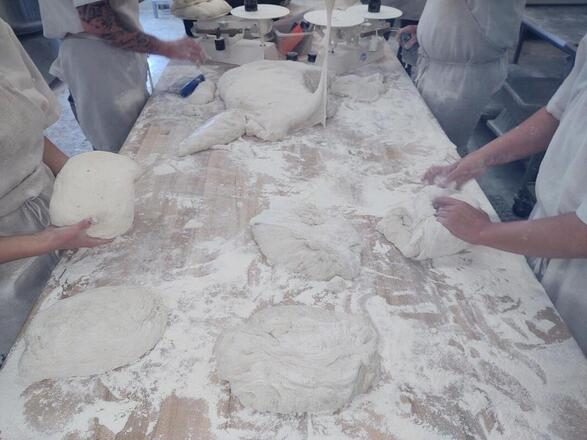
Our bakers
Some specialize in mixing, some in baking, but everyone works “at the tables,” shaping bread by hand on long wooden tables every day. Together they make over 3,000 pieces for a typical Saturday and more than 5,000 pieces a week for Shamrock.
The East Tyrolean stone mill
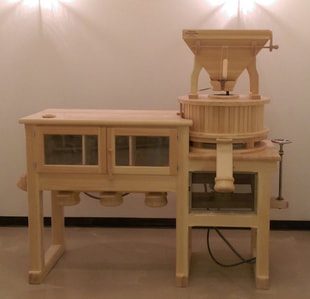
To get as close to our ingredients as possible, we mill on-site with an Osttiroler stone mill from Austria — handcrafted of solid pine by the Green family, who have built them for over 80 years.
Its 20-inch self-sharpening stone comes from the Greek island of Naxos and is ideal for cold milling, which keeps the grain’s natural flavor. It grinds up to 200 lbs of flour an hour through a three-compartment sifter — whole grain flour for our breads, plus organic grits and polenta for chefs and our Saturday shoppers.
Giving back
It’s part of our philosophy to give back to the community that has supported us so generously.
Project Angel Heart
We provide healthy bread for the meals they deliver to people living with serious illness.
Houses for Warriors
We donate bread and pastries to support housing assistance for veterans experiencing homelessness.
Every week
Extra bread goes to local charities, and veterans and active military get 15% off every Saturday.
Our commitment to food safety
We keep exceptionally high standards: dedicated cleaning staff, daily, weekly and monthly sanitation logs, constant sanitizer potency testing, multiple hand-washing stations, and gloves on whenever bread is handled after baking.